Immediate Therapy and Job Openings Available

What Happens in an EMDR Session?
EMDR is a structured therapy that safely helps your brain process difficult memories through guided recall and bilateral stimulation, allowing emotional healing to occur naturally.
Emily Hale
2/25/20261 min read
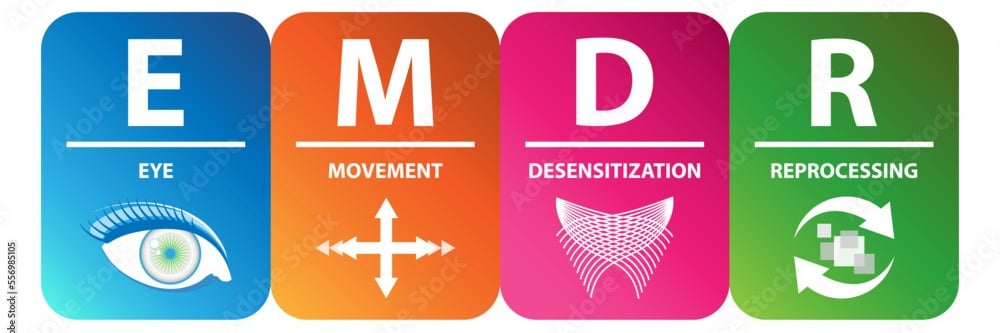

What Happens in an EMDR Session?
EMDR is structured and intentional. It follows an eight-phase approach designed to prioritize safety and stability.
In the early phases, your therapist gathers history, identifies possible target memories, and helps you build grounding and coping skills. Stabilization is essential before moving into reprocessing.
When you begin reprocessing, you and your therapist identify a specific memory to target. This includes the worst image connected to the memory, a negative belief about yourself, the emotions involved, and any body sensations that arise.
You briefly focus on the memory while engaging in bilateral stimulation through eye movements or tactile buzzers. After each set, your therapist checks in with you and asks what you are noticing. Memories often shift naturally. New thoughts, emotions, or insights may surface.
The goal is not to force change. It is to allow your brain to do the processing it was not able to complete at the time of the event.
Sessions end with grounding and stabilization so you leave feeling steady and supported.