Immediate Therapy and Job Openings Available

How Does EMDR Therapy Actually Work?
A brief overview of how EMDR therapy works. The benefits and outcomes of EMDR, and what to expect.
Emily Hale
2/18/20261 min read
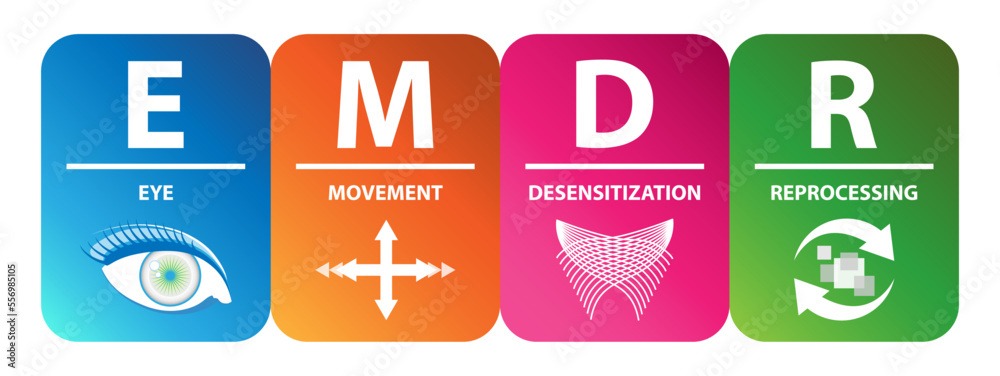
How Does EMDR Actually Work?
Eye Movement Desensitization and Reprocessing, or EMDR, is an evidence-based therapy that helps the brain heal from distressing experiences. Many people are familiar with the name but still wonder what is actually happening during the process.
EMDR is based on the Adaptive Information Processing model developed by Francine Shapiro. This model suggests that the brain has a natural capacity to process and integrate experiences. When something overwhelming happens, that processing system can become disrupted. The memory may get stored in a way that feels unfinished or unprocessed. The emotions, body sensations, and beliefs connected to the event can remain “frozen in time.”
That is why certain memories can still feel intense years later. Your nervous system may respond as if the experience is still happening.
During EMDR, you briefly focus on a specific memory while engaging in bilateral stimulation, such as guided eye movements or tactile buzzers. Research suggests that bilateral stimulation helps the brain reprocess stored information in a way that reduces emotional distress and supports adaptive integration (Shapiro, 2018).
Over time, the memory often shifts. The event does not disappear, but it becomes less emotionally charged. Clients frequently report that the memory feels more distant, less vivid, or no longer overwhelming. Negative beliefs such as “I am not safe” can shift toward more adaptive beliefs like “I am safe now” or “I survived.”
EMDR does not erase the past. It helps the brain file the memory in a way that allows you to move forward without being stuck in it.
Reference:
Shapiro, F. (2018). Eye Movement Desensitization and Reprocessing (EMDR) Therapy: Basic Principles, Protocols, and Procedures (3rd ed.).